


Can I ask you a question?
What happens when three people inherit the same house but have three different ideas about what to do with it?
The funeral had ended a few hours earlier, but nobody seemed ready to leave the house.
Michael was standing in the kitchen, looking through a stack of mail. Angela was in the living room, straightening photographs that hadn’t moved in years. Their younger brother, David, was sitting at the dining room table, scrolling through his phone.
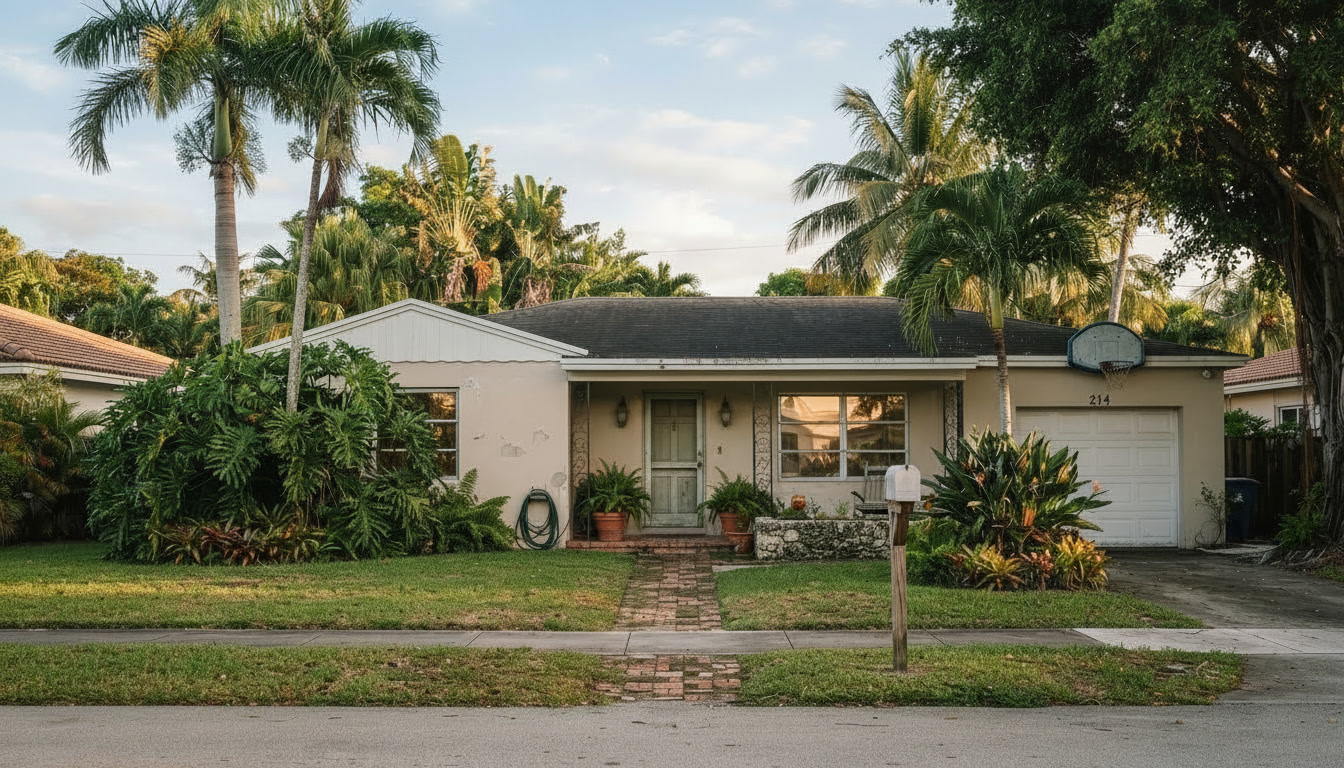
Their mother had lived in that house for almost thirty years. Every birthday, Thanksgiving, and Christmas happened inside those walls. Even after the children moved away and started families of their own, the house remained the one place everyone knew they could come back to.
Now their mother was gone, and for the first time, nobody knew what to do next.
“Did Mom ever tell either of you what she wanted us to do with the house?” Michael asked.
Angela looked up from the photographs.
“She wanted us to keep it.”
“Did she actually say that?”
“She didn’t have to.”
Michael let it go. He had spent the last several months driving their mother to appointments, picking up groceries, and handling repairs around the house. With two children approaching college and his own home, he wasn’t eager to take on another one.
Angela picked up a photograph of their mother standing in front of the house, smiling beside a rosebush that had been gone for years.
“We can’t just sell it, Michael.”
“I didn’t say we had to decide today.”
David hadn’t thought much about it until Michael opened an envelope from the mortgage company.
“Wait,” David said. “I thought Mom paid this house off years ago.”
Nobody answered.
It was the first of several things they were about to discover.
Michael, Angela, and David are fictional characters used to illustrate common situations Florida families face when inheriting property.
Inheriting a House Doesn’t Mean You Have to Decide Everything Today
When someone leaves you a house, it’s natural to start thinking about what to do with it. Should you sell? Move in? Rent it? Keep it in the family?
But those aren’t necessarily the first questions you should be asking.
Before deciding what to do with an inherited property, you need to understand what you’ve actually inherited.
Who legally owns the house? Is there a mortgage? Are the property taxes current? Does the home need repairs? Are there other heirs? Did the deceased leave a will or establish a trust?
Most importantly, who has the legal authority to make decisions about the property?
These questions matter because inheriting a home is different from purchasing one. When you buy a house, you generally know the purchase price, financing arrangements, and the property’s condition before closing.
When you inherit one, you may know almost nothing about its financial or legal circumstances.
You don’t have to solve every problem immediately, but you do need to understand what needs attention now and what can wait.
Step 1: Find Out Who Actually Owns the House
A few days after the funeral, Michael contacted an attorney.
He assumed that because their mother had three children, each sibling automatically owned one-third of the property.
The attorney explained that it wasn’t necessarily that simple.
In Florida, what happens to a house after someone dies depends on several factors, including how the property was titled, whether there is a valid will or trust, whether the deceased had a surviving spouse or minor children, and whether the home qualifies for certain homestead protections.
For example, a house owned solely in the deceased person’s name may require probate or a related court proceeding to establish the proper transfer of ownership.
A property held jointly with rights of survivorship may pass directly to the surviving owner. A house properly held in a trust may be administered under the trust’s terms.
Florida’s homestead laws can also restrict who inherits the property and whether the deceased can leave it to someone through a will or trust, particularly when the deceased leaves a surviving spouse or minor child.
Michael had walked into the attorney’s office expecting to discuss a sale. He left with a list of documents to find and a question he hadn’t thought to ask.
Was the house even theirs to sell yet?
What you should do:
Locate the most recent deed, any will or trust documents, and the death certificate. Check the county property records to confirm how ownership was recorded, then speak with a Florida probate attorney about the appropriate next steps.
Don’t assume that being named in a will automatically gives you the immediate authority to sell the property.
Step 2: Understand Whether Probate Is Necessary
Probate is the legal process used to administer certain assets belonging to someone who has died.
Depending on the circumstances, it may involve confirming the will’s validity, identifying beneficiaries, addressing creditors, and transferring property to the legally entitled recipients.
Florida generally recognizes formal administration and summary administration, although eligibility depends on the estate’s circumstances.
Not every inherited house requires the same process, and some properties may pass outside probate.
But even when a home qualifies for special treatment under Florida homestead law, families may still need legal proceedings or court orders to establish ownership and satisfy title requirements.
This is where families sometimes make an expensive mistake.
They assume that because everyone agrees about who inherited the house, they can simply put it on the market and divide the money after closing.
Unfortunately, agreement among family members doesn’t necessarily establish marketable title or legal authority to complete a sale.
If ownership hasn’t been properly established, a transaction can be delayed or stopped.
When Michael explained what the attorney had told him, Angela looked confused.
“So even if all three of us agreed to sell, we might not be able to?”
“Not until we figure out the ownership and paperwork.”
David shook his head.
“Mom really could’ve left us a folder.”
Step 3: Figure Out What the House Actually Costs
The mortgage statement David discovered was only the beginning.
Their mother had quietly managed household expenses for years. None of the children knew exactly what she paid for insurance, property taxes, utilities, or maintenance.
Angela believed the home was relatively inexpensive to keep because their mother had purchased it decades earlier.
Michael wasn’t so sure.
They started gathering the bills.
The bills included a mortgage payment, homeowners insurance, property taxes, electricity, water, lawn maintenance, and a few repairs their mother had been postponing.
David opened a spreadsheet and started adding it all up.
“Are we seriously paying all of this every month?” he asked.
Angela leaned over his shoulder.
“That can’t be right.”
David turned the laptop toward her.
“You want me to add it again?”
She pulled out a chair and sat down.
A house can have substantial equity and still create serious financial pressure.
Homeowners insurance, property taxes, association assessments, maintenance, and storm-related expenses can add up quickly. An empty house may also create insurance or security concerns.
If the property has an outstanding mortgage, payments generally need to remain current to avoid delinquency and possible foreclosure.
Federal mortgage rules protect qualifying heirs who inherit a mortgaged home. Once they confirm their ownership interest, they generally can obtain mortgage information and work with the loan servicer without first refinancing or personally assuming the existing loan. The servicer can explain which documents you need to confirm your status.
Start by identifying:
- Outstanding mortgage balance and monthly payment.
- Whether the loan is current.
- Property taxes and any unpaid balances.
- Homeowners and flood insurance, if applicable.
- HOA or condominium fees.
- Utilities and routine maintenance.
- Known repairs or outstanding violations.
- Any other liens or financial obligations.
Once you have those numbers, calculate what it costs to maintain the property each month.
That figure may influence every decision that follows.
Step 4: Protect the Property While You Figure Things Out
Before the siblings could make a long-term decision, they needed to secure the house.
David suggested turning off everything and leaving the property empty until the legal process was finished.
Michael pointed out that they couldn’t simply stop paying the bills and assume nothing would happen.
An inherited house still needs attention, even when nobody is living there.
You may need to review insurance coverage because some policies have different requirements for vacant or unoccupied homes. Utilities may need to remain active to prevent damage. Locks, alarms, and regular property inspections can help protect against theft, water leaks, and other problems.
In Florida, storm preparation is another consideration.
If a hurricane approaches while the property is vacant, someone needs to know who’s responsible for securing it.
The family should also determine who is legally authorized to manage estate property and expenses. Not every relative has the right to enter, remove belongings, authorize work, or spend estate funds simply because they’re an heir.
This is especially important when multiple family members are involved.
Once the family’s legal authority is clear, one person might coordinate maintenance, another could help organize documents, and everyone could receive regular updates. Someone with the appropriate authority should handle any decisions involving estate funds, property access, or major repairs.
For the siblings, that meant agreeing to stop making individual decisions about the house until they understood who was authorized to act and how expenses would be handled.
Step 5: Find Out What the House Is Really Worth
Eventually, the conversation returned to selling.
Michael believed the house had appreciated significantly over the years. Angela agreed, although she didn’t see that as a reason to sell.
David wanted to know how much money they were actually talking about.
That was a reasonable question.
Many people estimate a property’s value based on what a neighbor sold for, what they see on a real estate website, or what they remember someone offering several years earlier.
Those estimates can be useful starting points, but they don’t always reflect what a property would sell for today.
A home’s condition, location, layout, recent comparable sales, market demand, and necessary repairs all influence its potential sale price.
An inherited property may also have deferred maintenance that wasn’t obvious to family members who visited only occasionally.
Before deciding, consider obtaining a comparative market analysis from a knowledgeable local real estate professional. Depending on the circumstances, a formal appraisal may also be appropriate.
Then distinguish between the home’s estimated market value and the amount the heirs might actually receive.
David added another tab to his spreadsheet.
Using an estimated sale price of $700,000 and a remaining mortgage of $250,000, David calculated that the house could have $450,000 in equity before selling expenses, other liens, estate obligations, or applicable adjustments.
“So we’re not splitting seven hundred thousand,” he said.
“No,” Michael replied.
“And we’re not necessarily splitting four-fifty either?”
“Right.”
David looked at the spreadsheet again.
“I’m starting to understand why Mom hated paperwork.”
Step 6: Understand Your Options Before Choosing One
The siblings understood the house better, but they were no closer to agreeing on what to do with it.
Depending on the circumstances, inheriting a house can lead to several different options.
Option 1: Sell the House
Selling may make sense when none of the heirs want to live in the property, the ongoing expenses are difficult to manage, or family members would prefer to receive their share of the equity.
A sale can also eliminate the responsibilities associated with maintaining a second property.
But before listing, the family needs to confirm who has authority to sell, whether title issues exist, and how they’ll handle any proceeds.
Option 2: Keep the House
Sometimes keeping the property makes sense.
Perhaps one heir wants to live there. The home may have long-term investment potential. Or perhaps the family has the financial resources and shared commitment to maintain it.
The key question is whether everyone understands the costs and responsibilities.
Keeping a house simply because nobody wants to make a difficult decision can create problems later.
Option 3: Rent the Property
Renting may allow the heirs to generate income while retaining ownership.
But rental income isn’t the same as profit.
The family must consider insurance, taxes, repairs, property management, vacancies, and any legal or association restrictions.
If several heirs own the property, they also need a clear agreement on who manages the rental and how they divide income and expenses.
Option 4: One Heir Buys Out the Others
This option caught Angela’s attention.
“If I could afford to buy your shares, would you consider it?” she asked.
Michael looked at David before answering.
“I would. But we’d have to figure out what the house is actually worth.”
A buyout can sometimes resolve disagreements without forcing the entire family to remain co-owners.
However, the family must agree on valuation, financing, ownership percentages, and the legal process for transferring interests.
The family must also address any outstanding mortgage.
Option 5: Maintain Shared Ownership
Some families decide to keep a property together.
That can work when everyone agrees on the property’s purpose and has a realistic plan for expenses, maintenance, occupancy, and future decisions.
But shared ownership without clear expectations can create conflict.
What happens if one person stops contributing? Who pays for a new roof? Can one sibling move into the house? What happens when someone eventually wants to sell?
Those questions are much easier to answer before a disagreement develops.
Step 7: Don’t Let Family Disagreements Become the Biggest Expense
Over the next few weeks, the siblings continued gathering information.
Michael had spoken with a real estate professional. David had organized the bills. Angela had started looking into whether she could afford to buy out her brothers.
When they met again, she had a notebook full of questions.
“If I can get financing, how would we figure out what I owe each of you?”
Michael pulled up the property information he’d collected.
“First, we need to agree on what it’s worth.”
“And who’s paying these bills until then?” David asked.
No one had an answer.
When family members inherit property together, disagreements aren’t unusual. One person may have a strong emotional attachment to the home, while another sees it primarily as a financial asset.
The trouble begins when people assume their priorities should control everyone else’s decisions.
Before disagreements escalate, set expectations for decision-making, expense management, and whether professional mediation or legal guidance is needed.
If heirs become co-owners and cannot agree, one possible legal remedy is a partition action, which asks a court to resolve the ownership dispute and may result in a sale. Florida also has special procedures for certain inherited properties. These proceedings can be expensive, so it’s worth exploring an agreement before the disagreement reaches that point.
When possible, the better approach is to understand your options before the relationship becomes the problem.
Inherited a House in Florida? Start Here.
If you’ve recently inherited a property, here’s a practical place to begin.
1. Gather the important documents.
Locate the death certificate, will, trust, deed, mortgage statements, insurance policies, property tax records, and any HOA or condominium information.
2. Confirm the legal ownership situation.
Determine how the property was titled and consult a Florida probate attorney about the heirs’ rights, homestead issues, and whether court proceedings are necessary.
3. Identify who has authority to act.
Establish who can legally manage the property, communicate with creditors, authorize expenses, or participate in a sale.
4. Check for urgent financial problems.
Find out whether the mortgage, taxes, insurance, and association assessments are current. Address foreclosure notices, coverage lapses, and other time-sensitive issues promptly.
5. Secure and maintain the property.
Review insurance requirements, protect the house from damage, and arrange appropriate maintenance and inspections.
6. Understand the property’s condition.
Identify major repairs, deferred maintenance, safety concerns, and other issues that may affect value or ongoing ownership costs.
7. Determine a realistic market value.
Use current local market information and consider whether a professional appraisal is needed.
8. Compare the available options.
Evaluate selling, keeping, renting, buying out other heirs, or maintaining shared ownership. Consider the financial and legal implications of each.
9. Discuss expectations with the other heirs.
Talk about expenses, timelines, responsibilities, and what each person hopes to accomplish.
10. Build a plan before making irreversible decisions.
Work with the appropriate legal, tax, and real estate professionals to establish a practical path forward.
What If Your Situation Is More Complicated?
Not every inherited property comes with a straightforward set of circumstances.
You might discover that your parent died without a will. Perhaps the home has liens or unpaid taxes. Maybe the mortgage is already behind, or the house needs repairs you can’t afford.
You could live in another state, have siblings who disagree about selling, or be unsure whether renting the property would be more beneficial than selling it.
Each situation introduces different considerations.
That’s why understanding the basics is only the beginning.
In this series, we’ll explore each circumstance individually, including inherited homes with mortgages, sibling disagreements, probate complications, property repairs, liens, foreclosure, rental decisions, and tax considerations.
The goal isn’t to tell every homeowner to make the same decision.
It’s to help you understand the choices available in your particular situation.
Sometimes the First Decision Is Simply to Get Organized
A month after their mother’s funeral, the dining room table was covered with mortgage statements, property records, repair estimates, and Angela’s notes about financing.
They had moved their mother’s photo albums to the other end of the table to make room.
Before leaving one afternoon, Angela stopped in the kitchen and looked around.
“Feels strange being here without Mom,” she said.
Michael nodded.
“Yeah. It does.”
For a moment, neither said anything.
Then David walked in holding another envelope.
“Before you two get sentimental, anybody know what this one’s for?”
Angela laughed. Michael reached for the envelope.
“Put it on the pile,” he said.
Not Sure What to Do With an Inherited Property?
Every property and family situation is different. Whether you’re thinking about selling, keeping the home, or exploring your options, Miami Deal Flow can help you evaluate the possibilities.
Tell us a little about the property and your situation through our Property Review & Opportunity Assessment, or call us at 786-330-8948.
This article is for general educational purposes and is not legal, tax, or financial advice. Florida inheritance, homestead, probate, and property laws can affect individual situations differently. Consult qualified professionals before making decisions involving inherited real estate.