

The Money Side of Miami | Part 1
Can I ask you a question?
Have you ever looked at Miami’s real estate market and wondered how everybody seems to be making money except you?
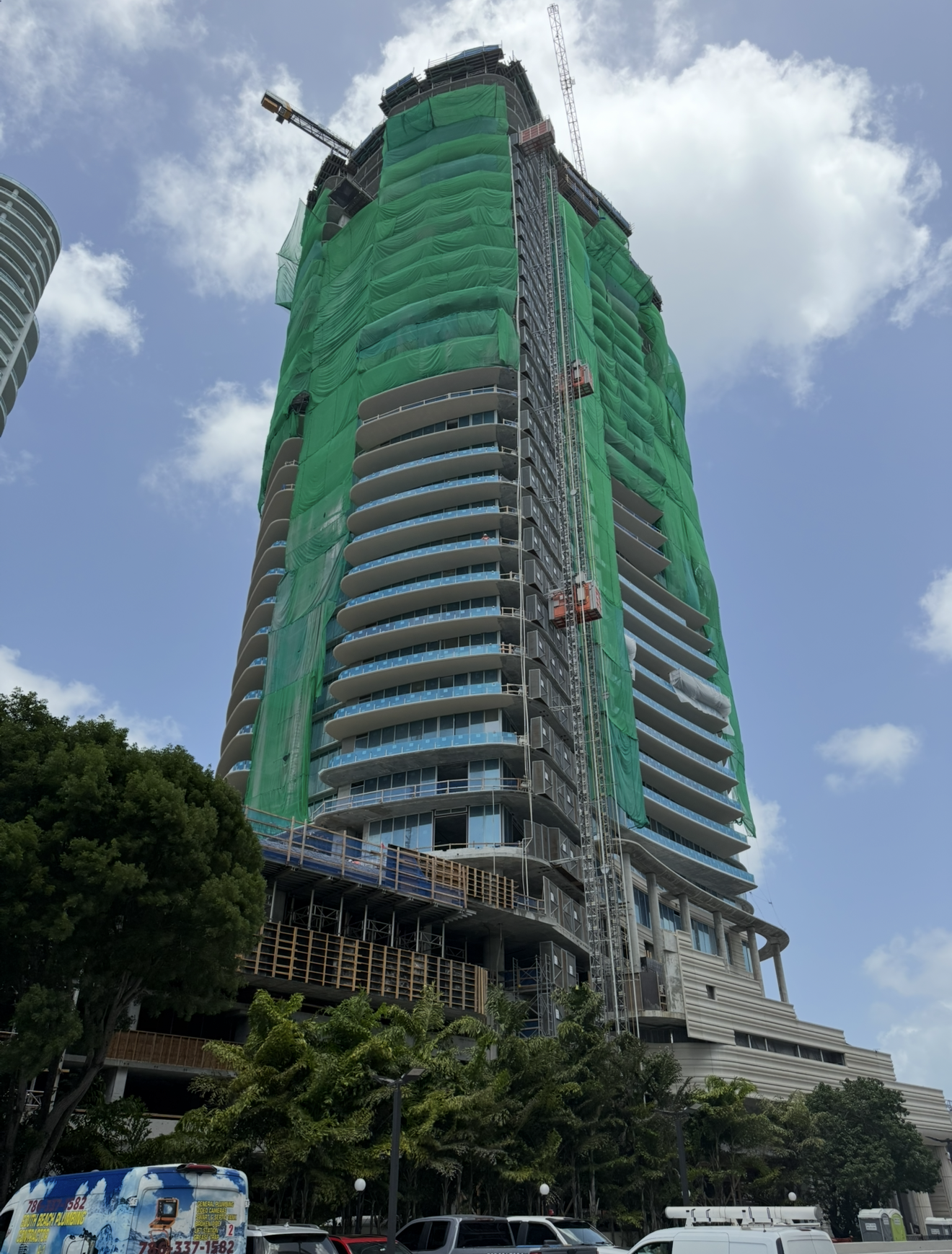
Look around. New condominium towers keep changing the skyline. Homes in neighborhoods that people overlooked fifteen years ago are selling for prices that would have sounded ridiculous back then. Developers are building, investors are buying, and somebody always seems to know somebody who made a fortune on a property.
It’s enough to make you wonder whether you missed the party.
But what if you don’t have $300,000 sitting around for a down payment? What if you have a decent job, a family, some savings, and the same desire to build wealth as everyone else?
Are you supposed to stand on the sidelines and watch Miami get richer?
Or is there still a way in?
Everybody Loves a Success Story. Nobody Talks About the Beginning
I came across a Miami Herald story about a young real estate agent named Angie Zavala.
During the pandemic, she worked in property management and watched well-dressed agents come through the building. She saw the lifestyle, the business, and the opportunity. Eventually, she decided she wanted to be one of them.
So she left her job and became a real estate agent, but it didn’t go quite as expected. It took Angie two months to earn her first leasing commission. Four months into the business, her savings were gone. She paid for her own health insurance and relied on rental commissions while trying to break into property sales.
You’re surrounded by properties selling for hundreds of thousands, sometimes millions of dollars, and you’re trying to figure out how to earn your next commission. Meanwhile, someone on Instagram explains how they made $80,000 last month while standing next to a rented Lamborghini.
Funny how those videos never show the months when nobody returned their calls.
But Angie’s story got me thinking. What if becoming a real estate agent is one way to get into Miami real estate without having the money to buy any?
Your First Investment Might Not Be a Property
Consider what it takes to buy an investment property in Miami. Even a relatively modest condominium can require a substantial down payment, closing costs, and enough cash left over to cover expenses when something goes wrong.
And something eventually goes wrong. The air conditioner stops working, the association announces an assessment, or your tenant moves out two months early.
Owning property can be rewarding, but it isn’t exactly cheap. Now compare that with becoming a real estate agent.
In Florida, the basic entry requirements are relatively accessible. You complete a 63-hour prelicensing course, pass the state licensing exam, meet application requirements, and affiliate with a broker before working as a sales associate.
Getting licensed might cost you hundreds of dollars. Finding someone willing to trust you with a million-dollar purchase? That’s another story.
A Million-Dollar Sale Sounds Better Than It Sometimes Pays
Let’s say you become an agent and manage to sell a $1 million condominium in Brickell.
Congratulations. You’re probably already imagining what you’re going to do with the commission.
Suppose your side of the transaction earns a negotiated 2.5% commission. That’s $25,000 paid to your brokerage.
Not bad.
But depending on your brokerage agreement, you may have to share that money. If your split is 70/30, your portion would be $17,500 before any additional fees, marketing expenses, and taxes.
That’s still meaningful money.
Now imagine it took you four months to find that customer, another month to get the property under contract, and several more weeks to close.
You’ve probably spent money advertising, driven all over Miami showing properties to people who never bought anything, and paid for a few things you were convinced would bring in customers.
Suddenly, that $17,500 means something different. And if the deal falls apart before closing, you might earn nothing.
That’s the part of the real estate business that doesn’t photograph particularly well.
The commission amounts and brokerage split above are hypothetical. Commissions are negotiable, and actual agent compensation depends on the transaction and brokerage agreement.
Of course, there’s another side to spending all that time helping people buy and sell properties in Miami.
You start noticing which buildings investors avoid because of high association fees. You learn which neighborhoods have strong rental demand and which listings have been sitting on the market for months.
You meet mortgage brokers, contractors, property managers, developers, and investors who seem to be looking for their next opportunity.
Maybe a client asks you to find a duplex. You research the neighborhood, study comparable sales, and discover what the rental income might look like.
Another investor might be looking for a house that needs renovation. You learn why one property makes financial sense, and another doesn’t, even though they look nearly identical from the street.
Eventually, you might look at a property and wonder what it would take to buy it yourself.
The Problem Is Surviving Long Enough
You can spend an entire week showing properties, answering calls, meeting potential buyers, and following up with people who promised they’d get back to you. By Friday, you’ve worked a full week and haven’t earned a dollar.
And Miami isn’t exactly an inexpensive place to wait for things to work out. That’s why I’d be cautious about telling someone with limited savings to quit their job and jump into real estate.
Getting licensed while keeping another source of income may be more practical, provided your schedule lets you serve clients properly.
It might take longer to build the business. You might miss opportunities because you’re unavailable during the day. And balancing two jobs can be exhausting.
But there’s something to be said for not having your mortgage payment depend on whether a stranger decides to buy a condo this month.
One Day, You Might Be the Buyer
Let’s imagine you’ve been in the business for three years. You’ve built relationships, learned the market, and started earning reasonably consistent commissions. You’ve even managed to save some money.
Then one day, a property comes across your desk. Nothing glamorous. Maybe an older duplex with a dated kitchen and a yard that hasn’t seen a landscaper in a while.
But you know the neighborhood. You’ve studied the rents. You understand what similar properties have sold for, and you know a contractor who can help estimate the repairs.
A few years earlier, you might have scrolled right past it. Now you can at least recognize the possibility.
I was curious what happened to Angie Zavala after the Herald told her story. I looked her up, and based on the transactions listed on her brokerage profile, she still seems to be in the business.
I wonder how many people in Miami are in a similar position, watching buildings go up, hearing about fortunes being made, and trying to figure out where they fit in.
If you’ve been watching Miami real estate from the sidelines and wondering how to get involved without a fortune to invest, maybe the first property you sell doesn’t have to be your own.